[ Art of Mondays ]



How it works today
Subscribed Members must opt-in to be matched before the first day of each month to be placed in a group
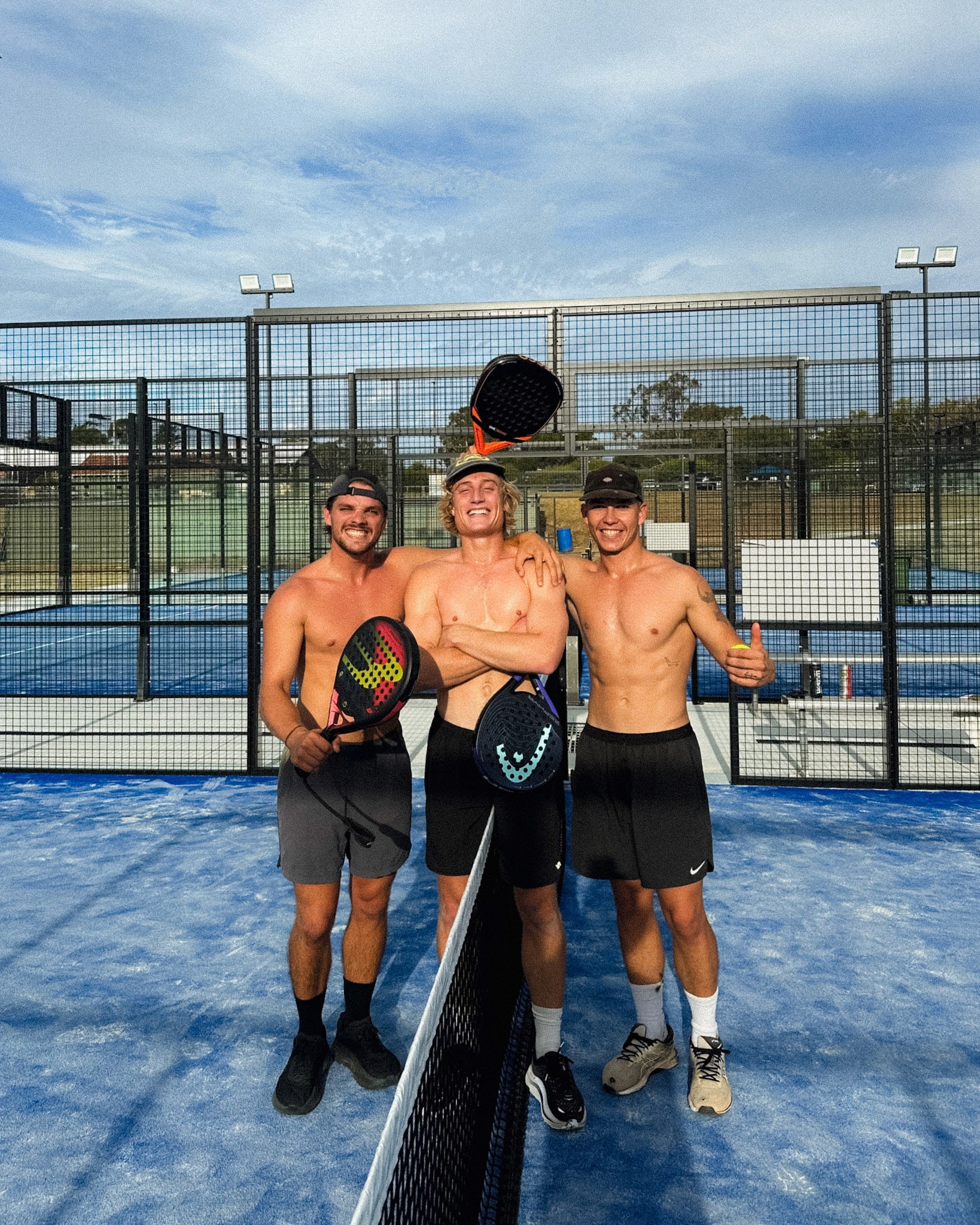
The time, day, and location of meetups are auto-scheduled each month. All groups have to do is decide on their favourite sport to play
All communication happens inside the FSC app, including meetup details, group details, and a group chat. The app is available on iOS and Android. It’s also available in a web-app version, however we don’t recommend this to members as it can’t send notifications which could lead to missed messages and matches.
Members can provide feedback about their group matches and report inactive members.
Members who are reported and/or stop showing up are removed to keep the groups reliable.
It’s meant to feel easy to say yes to and just as easy to step back when life gets busy.

Member feedback is what drives each iteration and improvement of the Founder Sports Club.
Since the launch of FSC, a few patterns have shown up pretty consistently.
For current members, the biggest win is that meetups happen more often.
Because matches are handled automatically and groups are small, there is way less back-and-forth than traditional networking or free community events. People know when they’re meeting, who they’re meeting, and why they are there.
Founders also mention that conversation feels easier. Playing a sport together removes the awkwardness, so talking feels natural instead of forced. And compared to open, free events, the monthly cycle makes it easier to stay involved instead of drifting away.
It hasn’t always been perfect, and that matters too.
In the early FSC 1.0 days, some groups struggled. Meetups fell through, coordination relied too heavily on individual members, and engagement could vary a lot depending on the group.
Common feedback was that there was a lot of friction in the way it worked, with members having to coordinate their own meetups and try to align four busy schedules by themselves.
We learned a lot while building FSC 1.0, our MVP of the product. There were some real frustrations from members, and it's worth pointing out what didn’t work in earlier versions of FSC.
Unresponsive Members
In FSC 1.0, everything relied on manual coordination between members.
If one person went quiet, replied late, or dropped off completely, the whole meetup could stall. That created friction for people who were keen to show up but felt stuck waiting on others.
This was one of the most common points of feedback in the early days and a big signal that the system needed more structure.
Too Much Back and Forth
Earlier groups also had to figure everything out themselves.
What sport to do.
What time worked.
Where to meet.
For busy founders, that level of coordination often became a blocker. People had good intentions, but calendars fill up quickly. And suddenly the meetup never happened.Who was booking what.
The issue wasn’t about motivation. There was just simply too much friction.
Early Platform Limitations
There was no central place to manage plans and communication.
Before the app, the MVP consisted of emails and WhatsApp groups. Communication was scattered and hard to keep track of.
Messages were missed. It was hard to tell who was active and who wasn’t. And there was no clear feedback loop to improve the experience over time.
Other major improvements:
All messaging now happens inside the FSC app. No lost emails. No guessing where the conversation lives. Everyone is in the same place.
Members can provide feedback on the people they’re matched with by leaving a rating and optional comment for each. The FSC team keeps track of people who are flagged as inactive in this feedback. And along with in-app tracking to identify inactivity, members who are repeatedly unresponsive are removed. This keeps groups active and protects the experience for people who actually want to show up.
Profiles and availability are kept up to date, so matches are based on real schedules.
And every new member is manually reviewed before joining. This filters out a lot of the issues that came from low-intent members early on.
The outcome
These changes have led to significantly more meetups taking place. The structure now removes the points where things used to stall or fade out.
There’s less coordination, less chasing up, and fewer decisions to make. Which makes it easier for busy founders to attend without it becoming another task to manage.
This has led to higher show-up rates and more reliable groups.

The Founder Sports Club offers a full money-back guarantee for all members who:
Have attended at least one meetup
Or
Weren’t matched in a group for three consecutive months due to an insufficient number of members in their city.